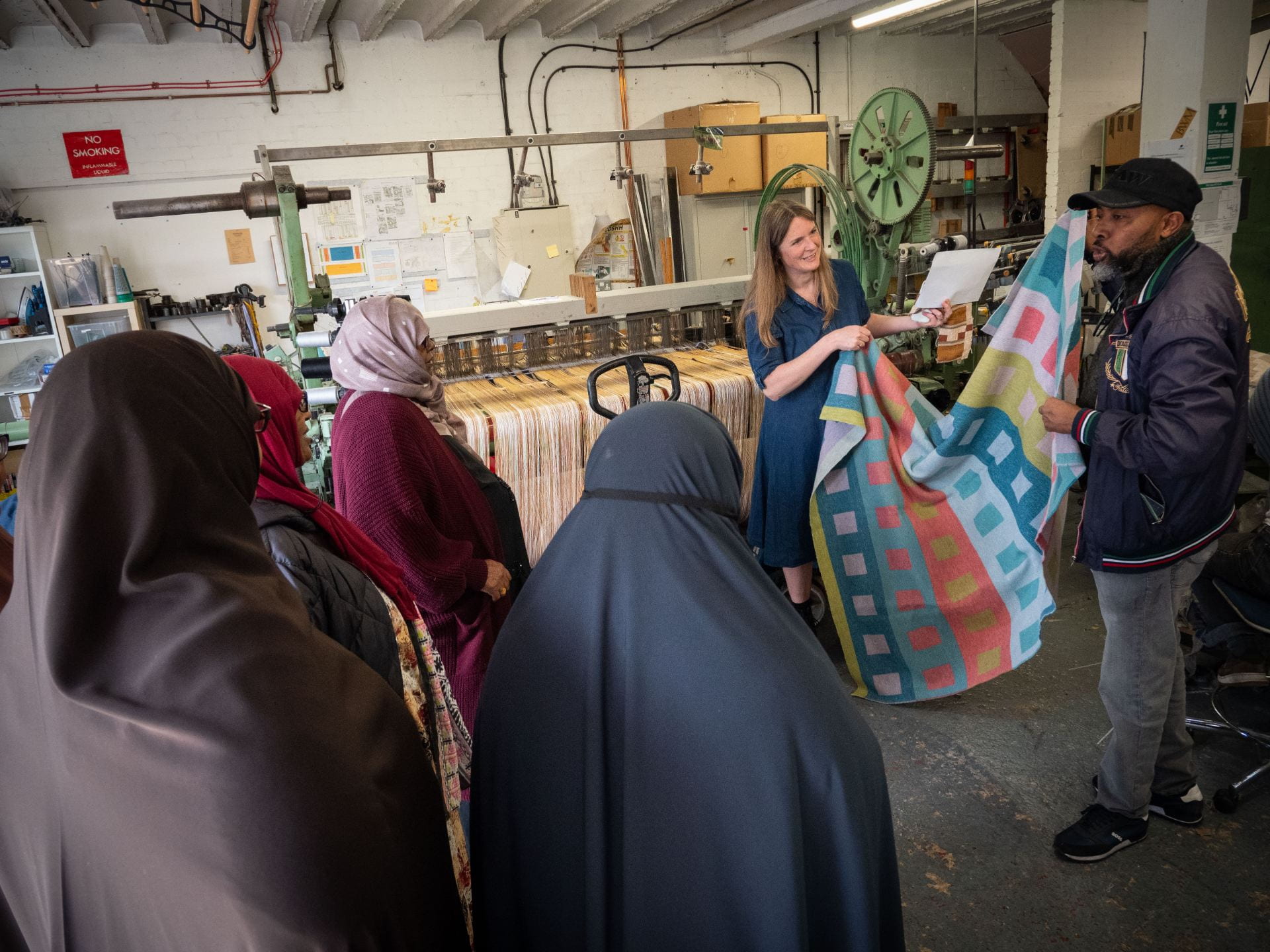
Photo: Lisa Whiting
Synopsis
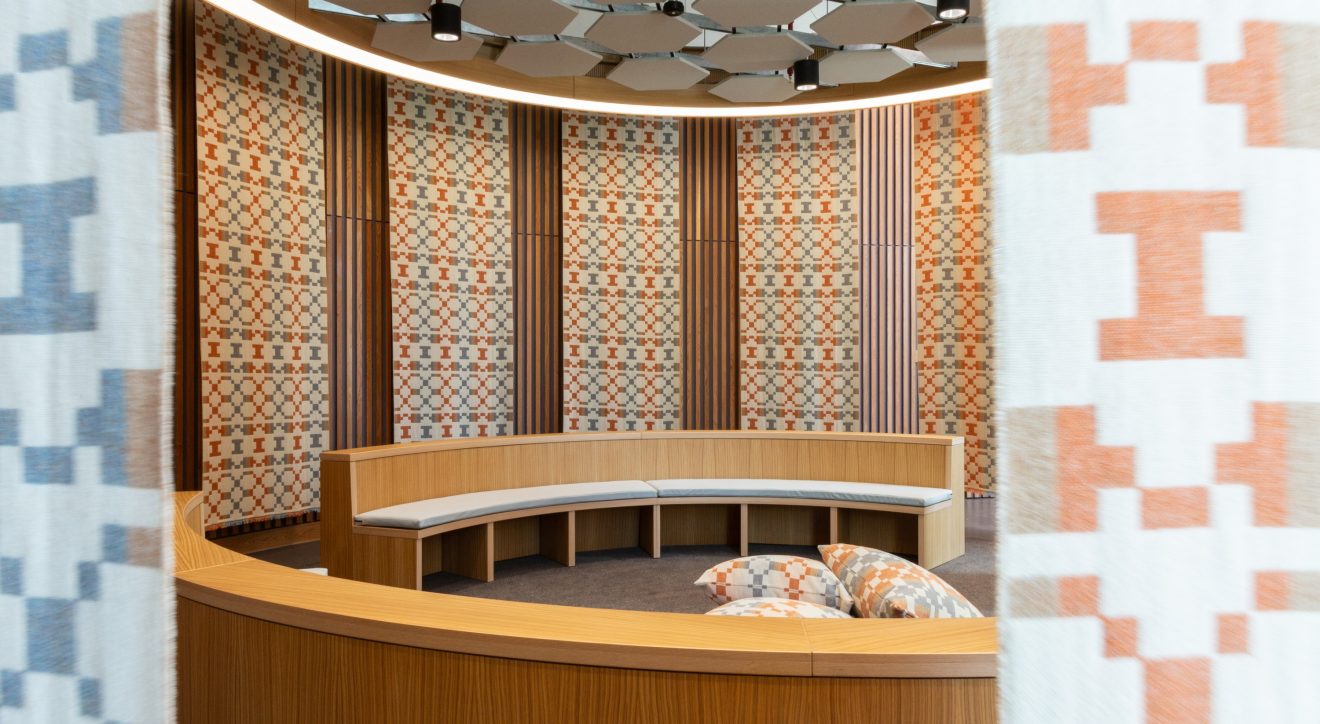
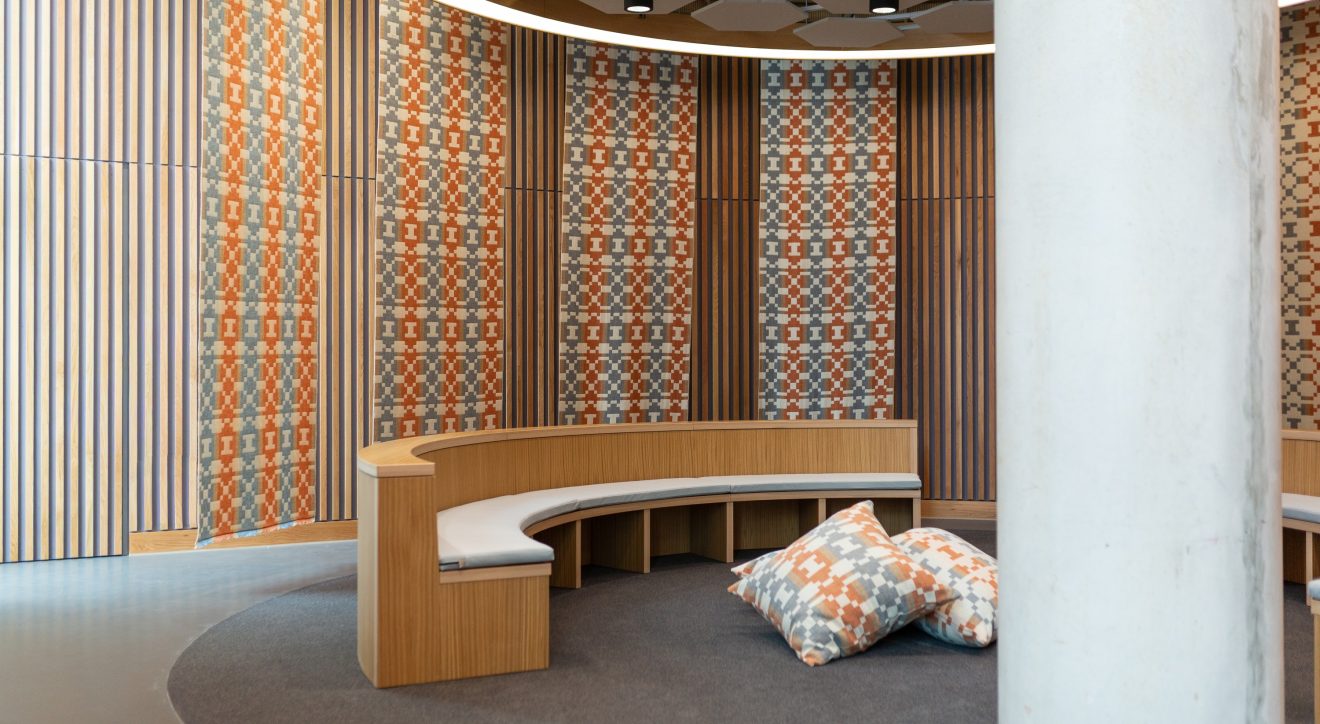
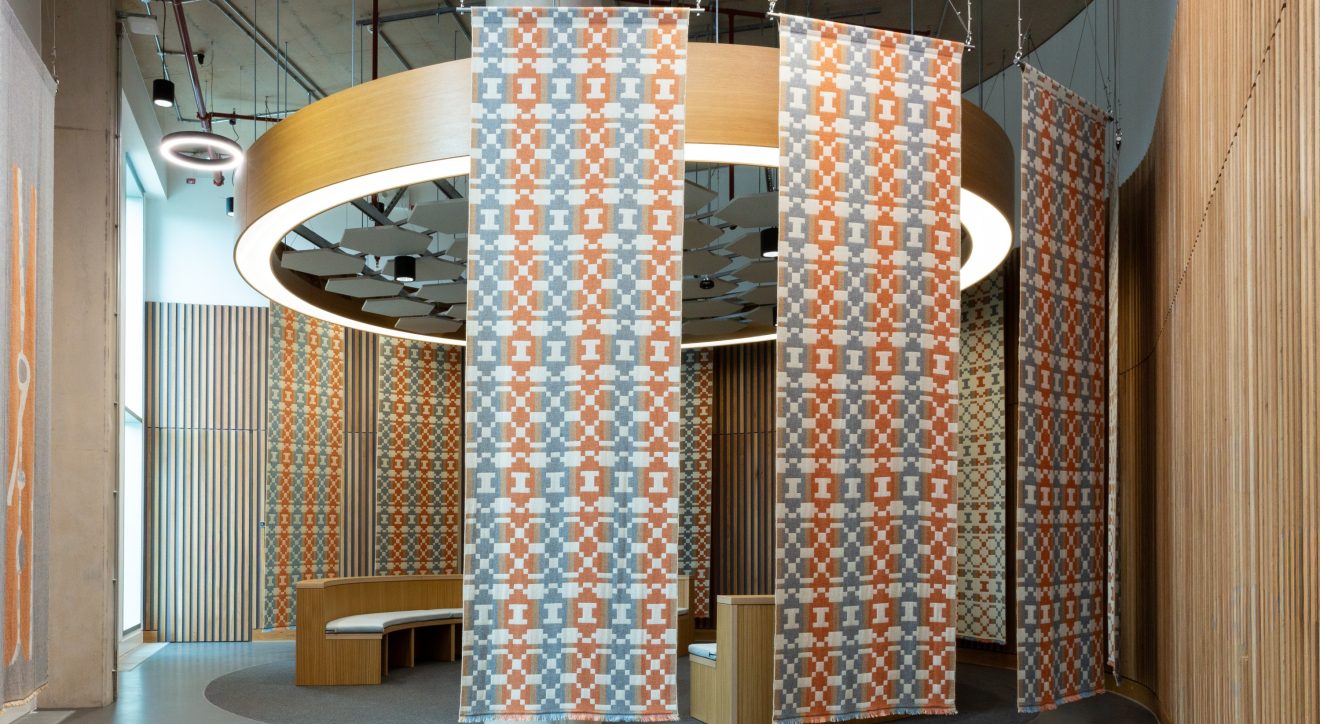
Soft Monument is an ode to the invisible labour of women – the work which rarely receives its own monument but is monumental in effort, sacrifice and repetition as well as joy.
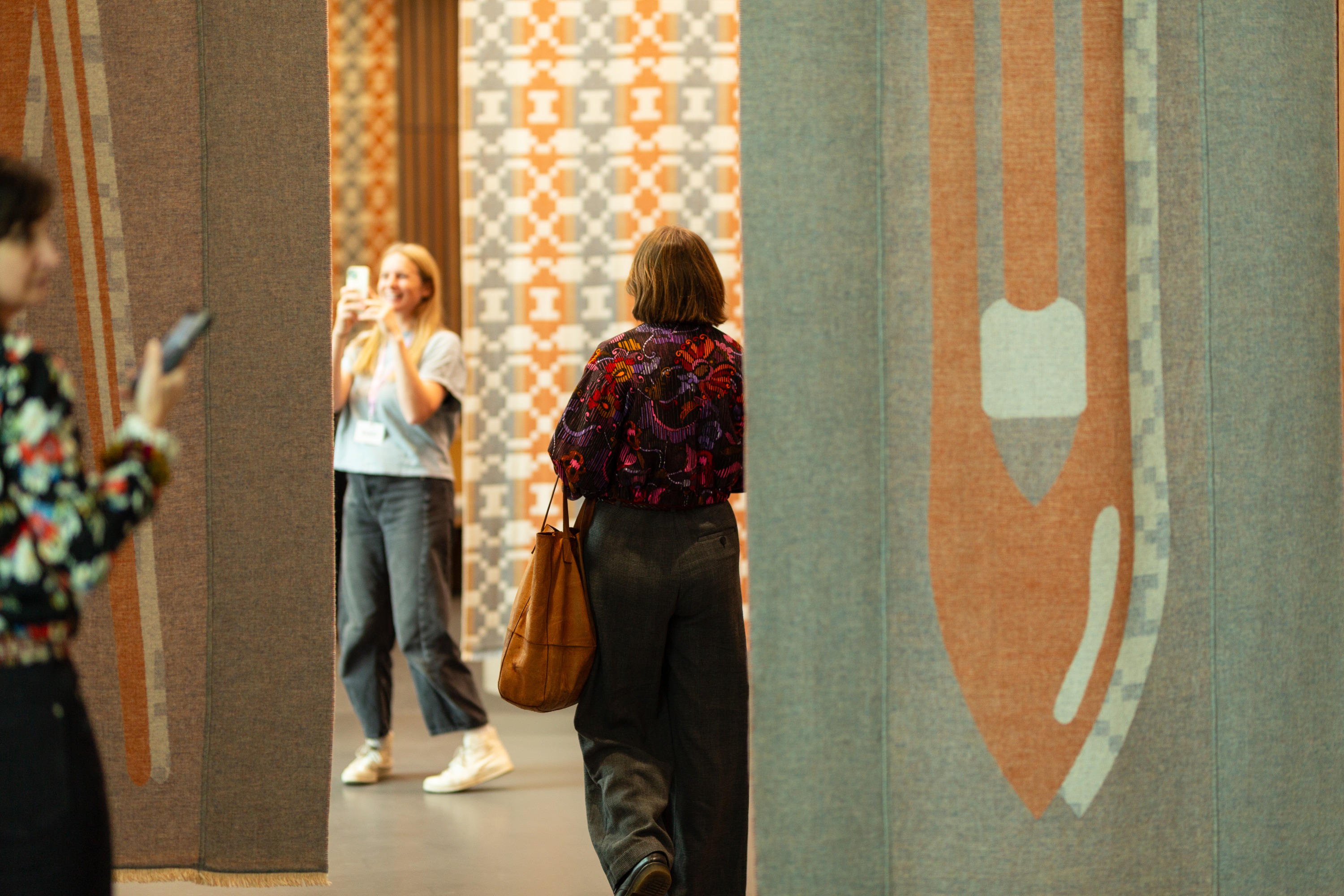
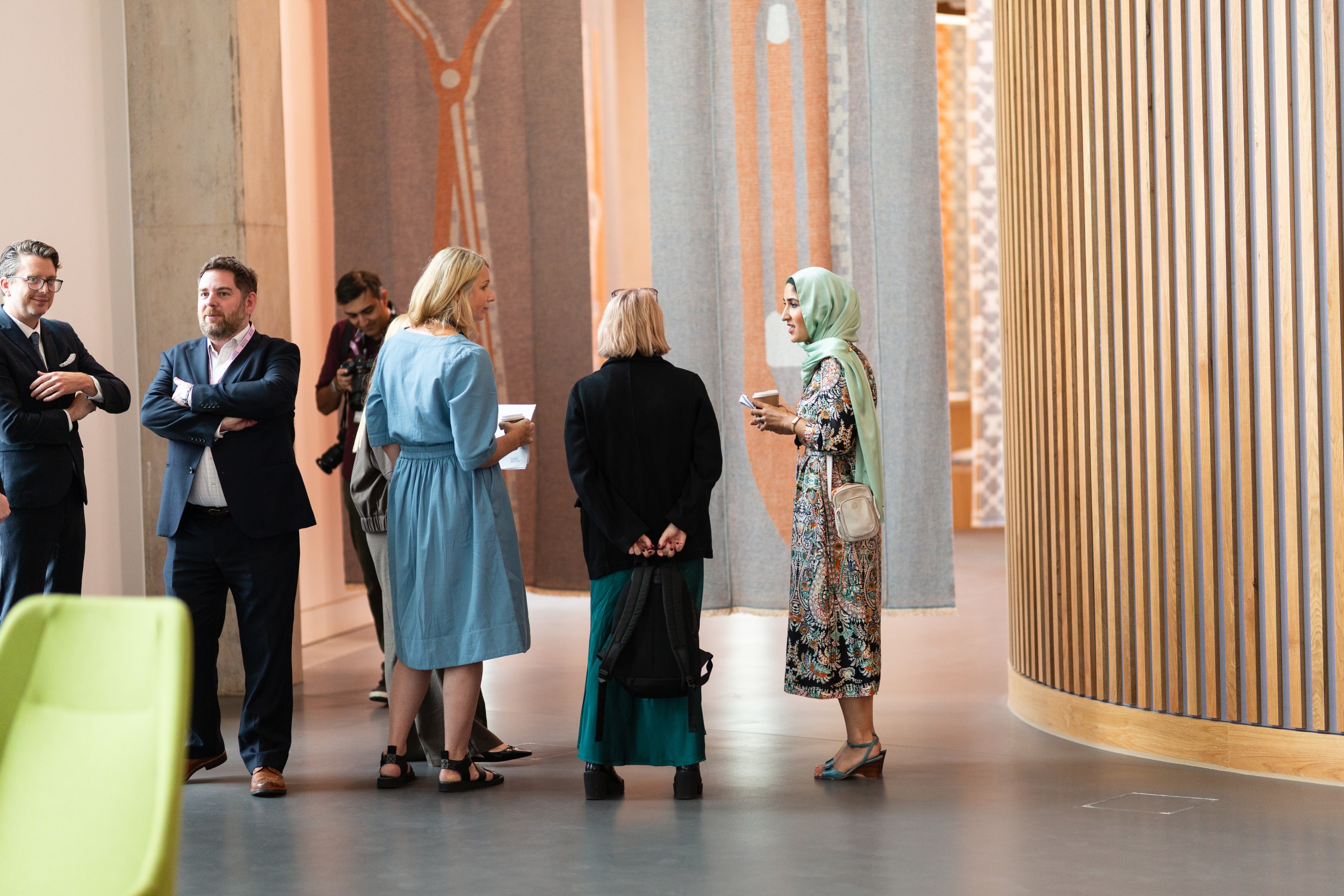
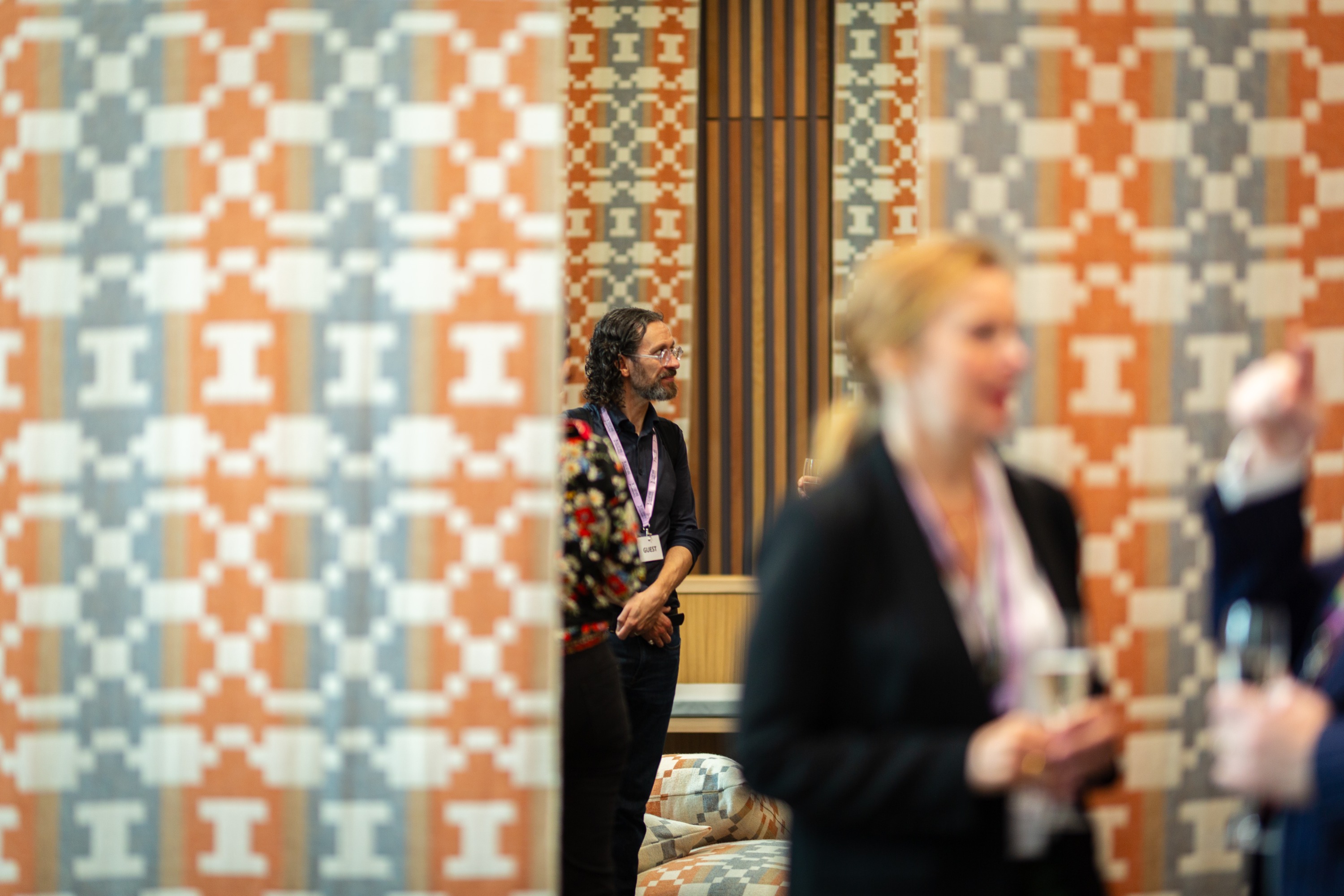
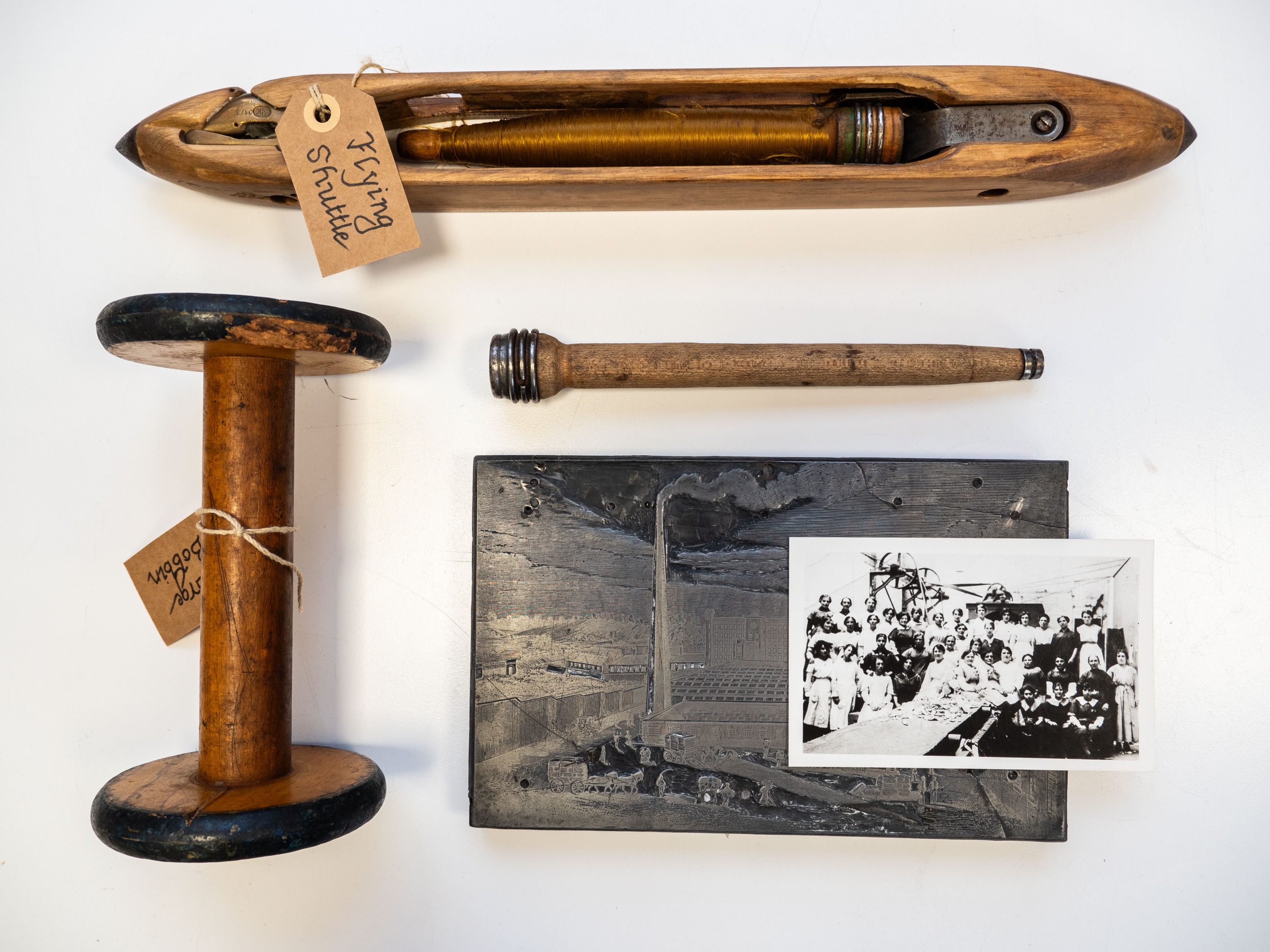
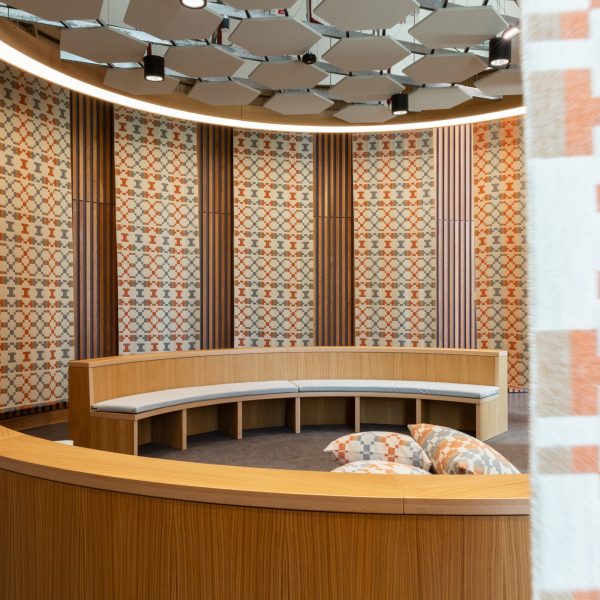
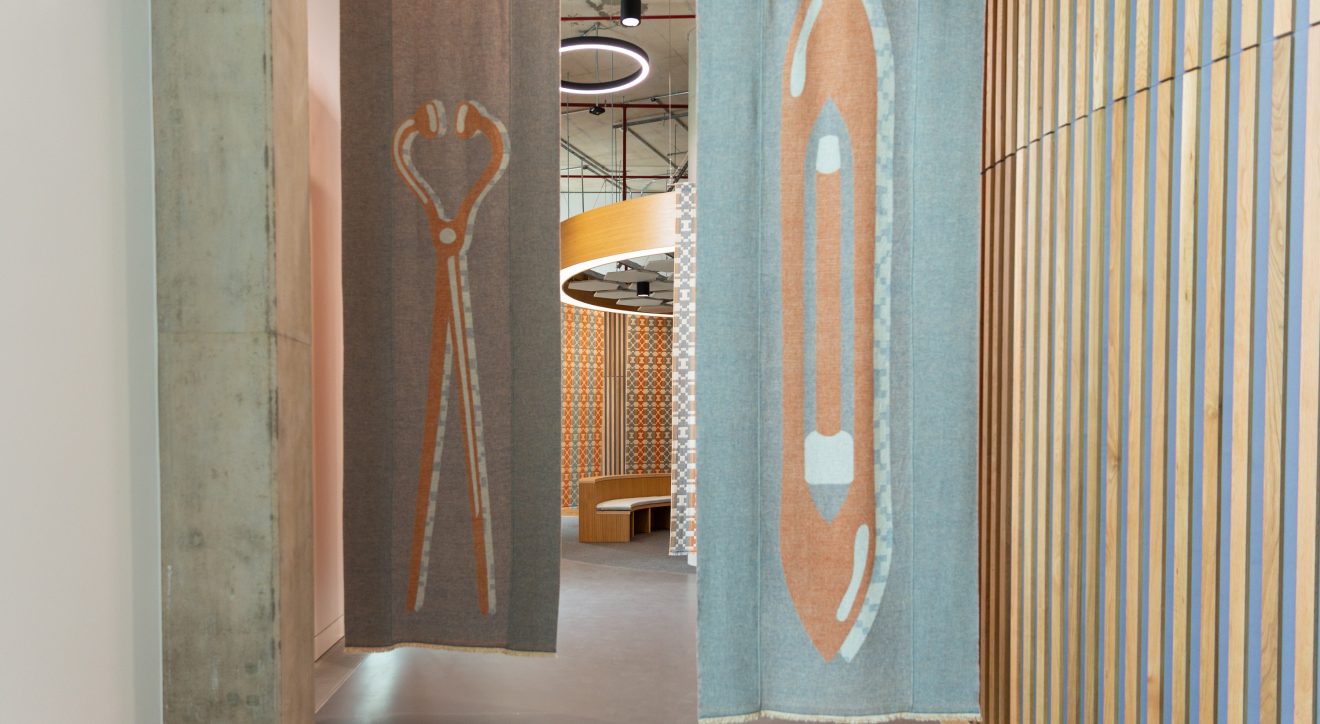
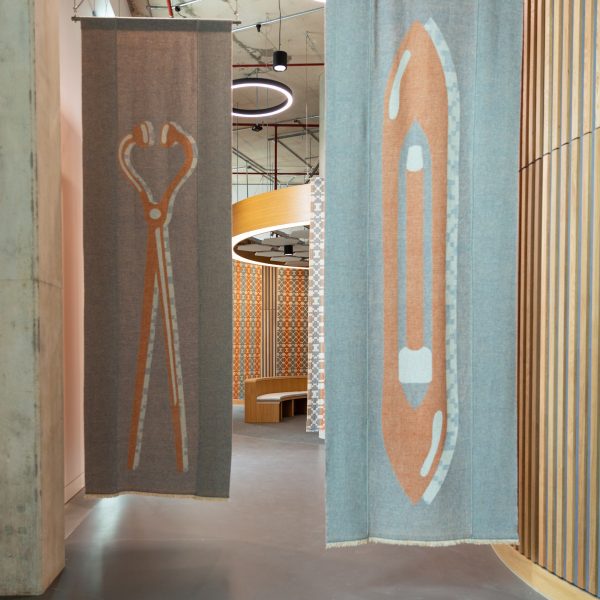
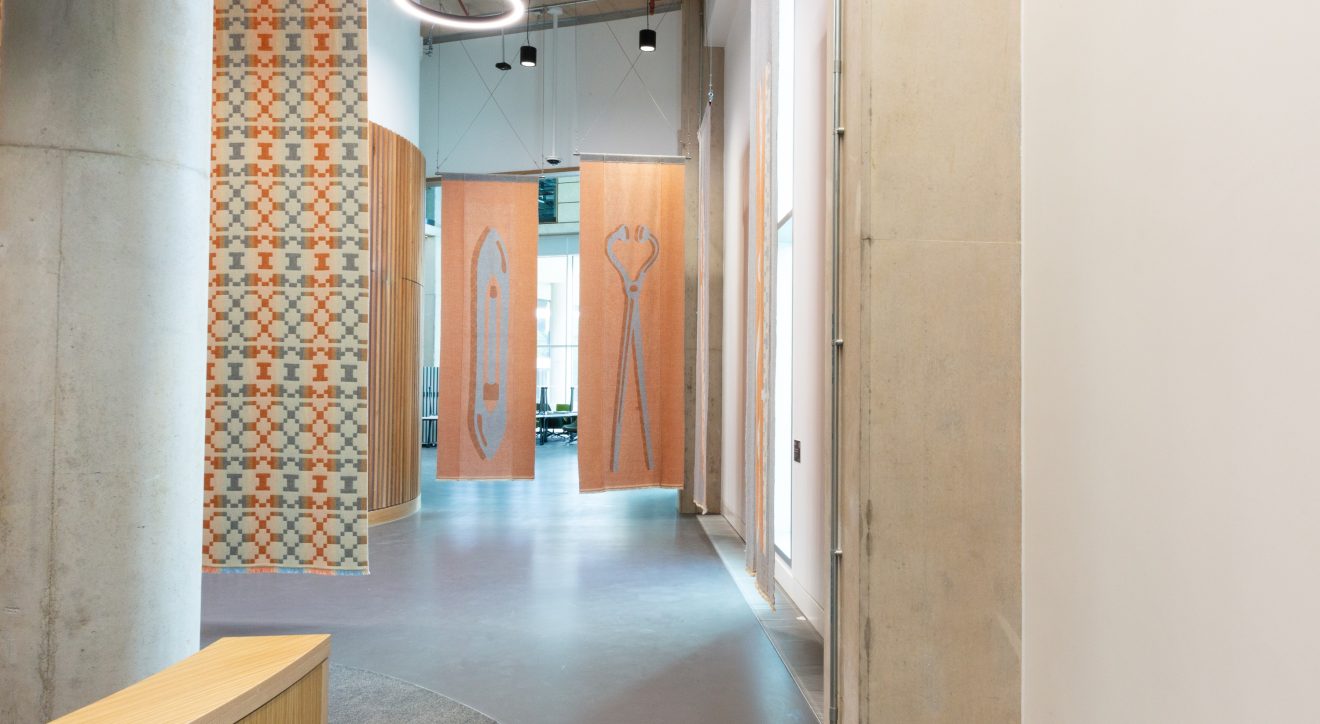
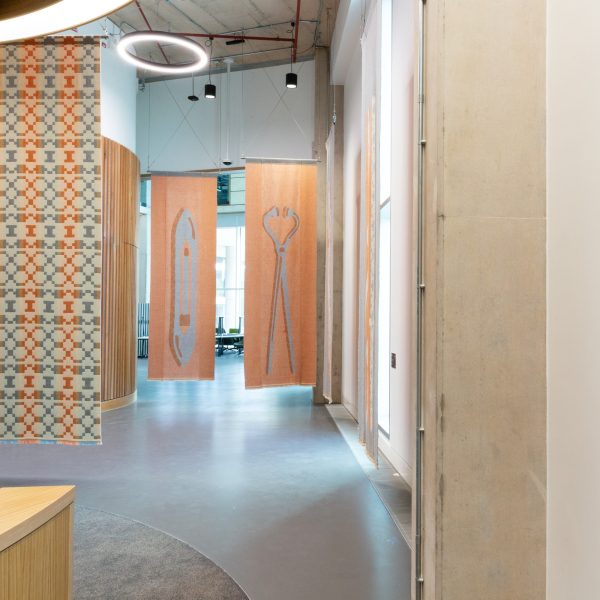
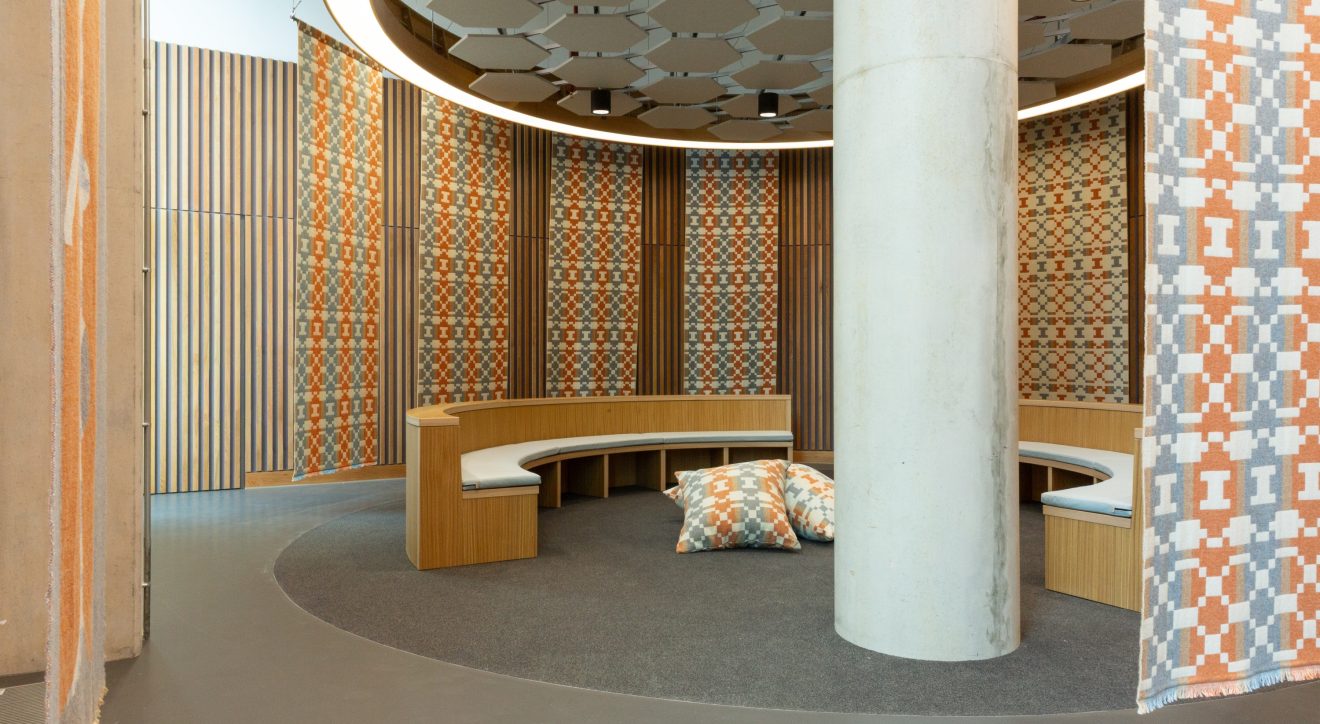
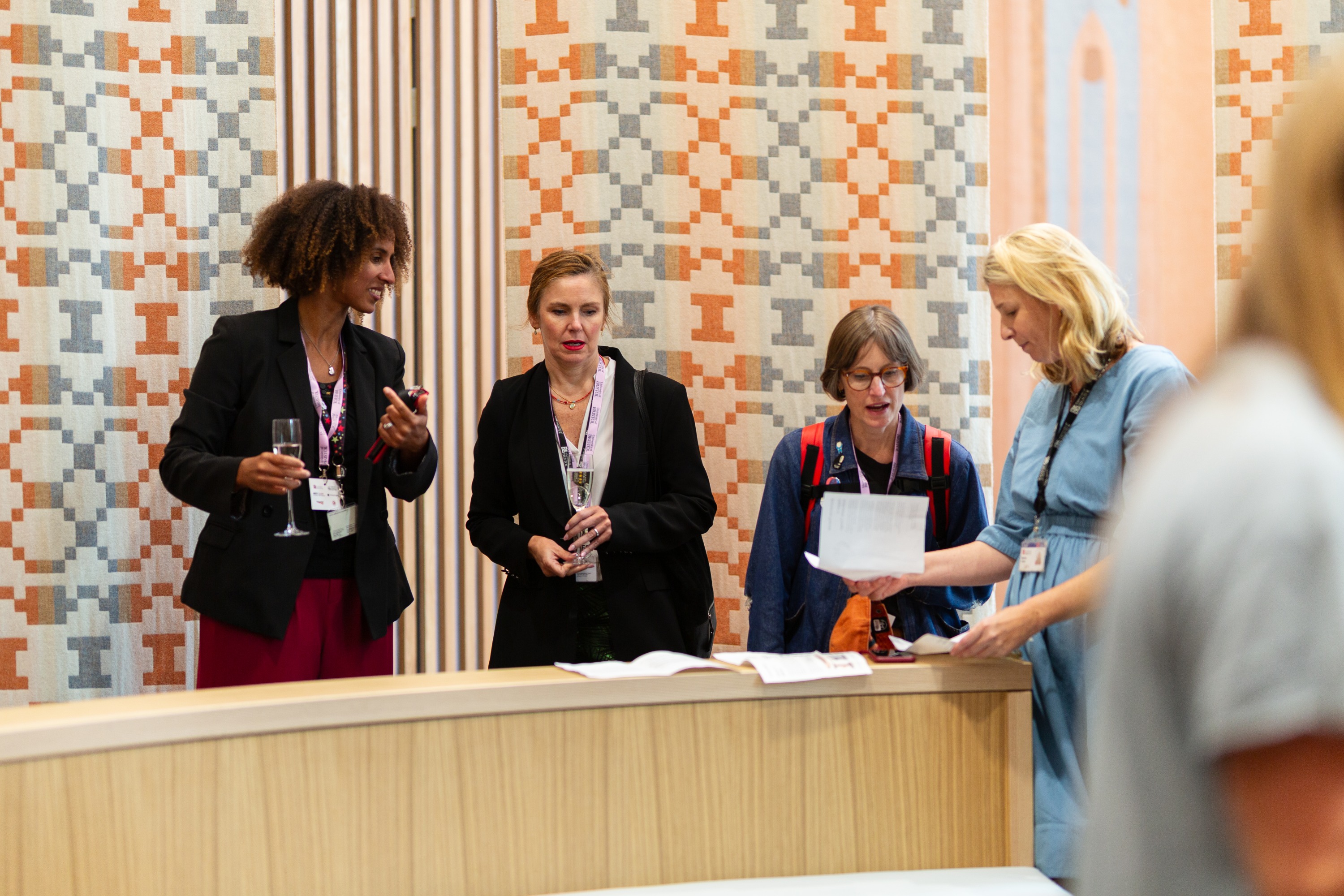
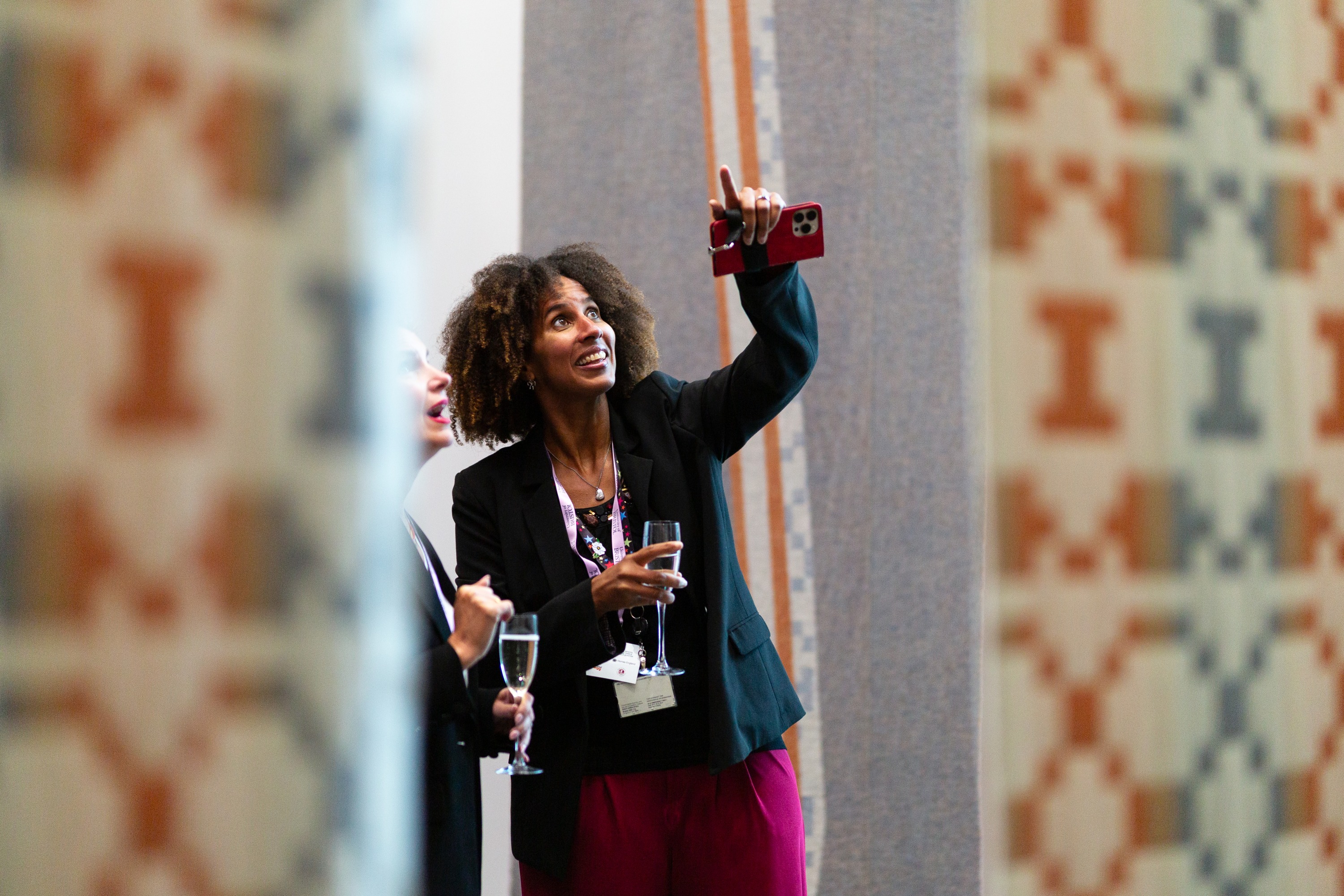
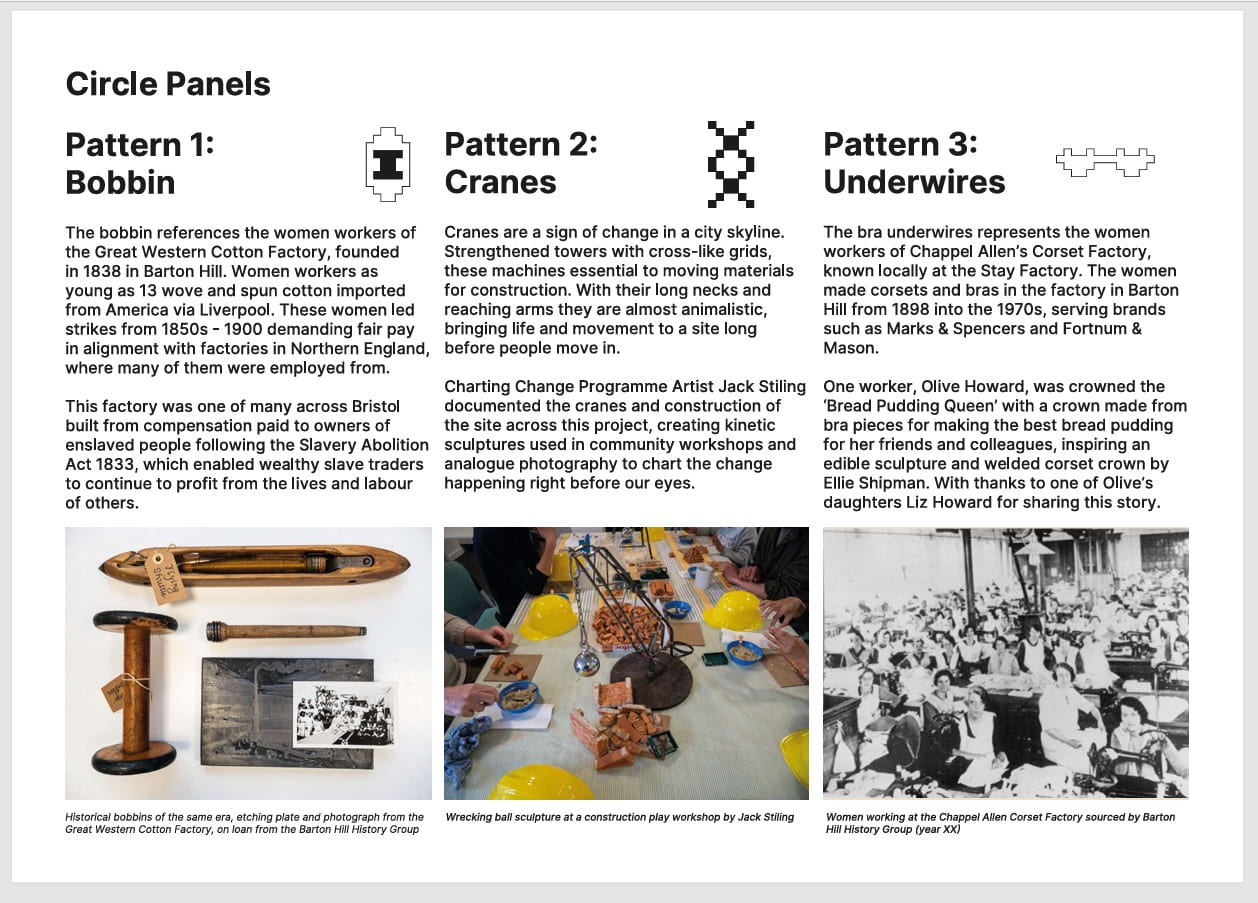
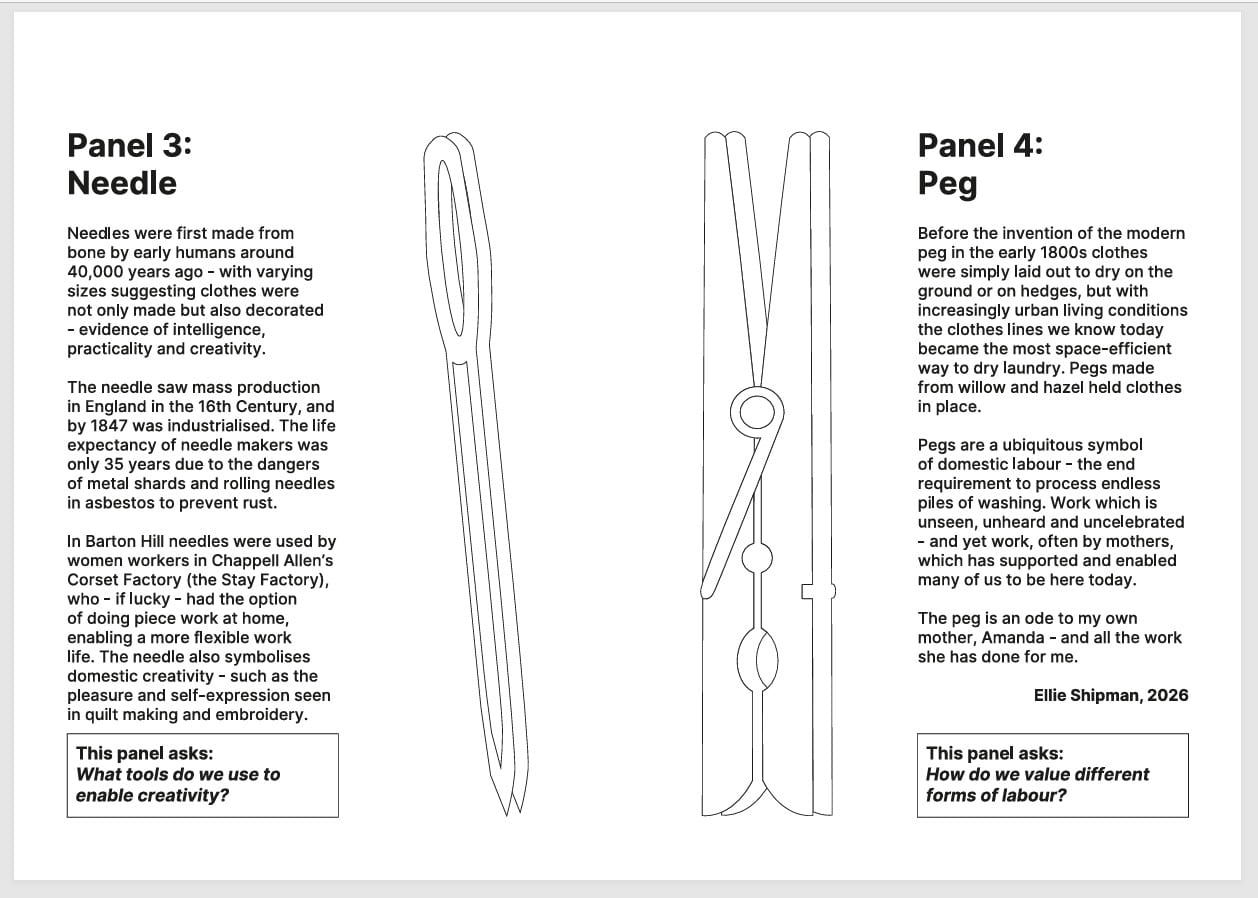
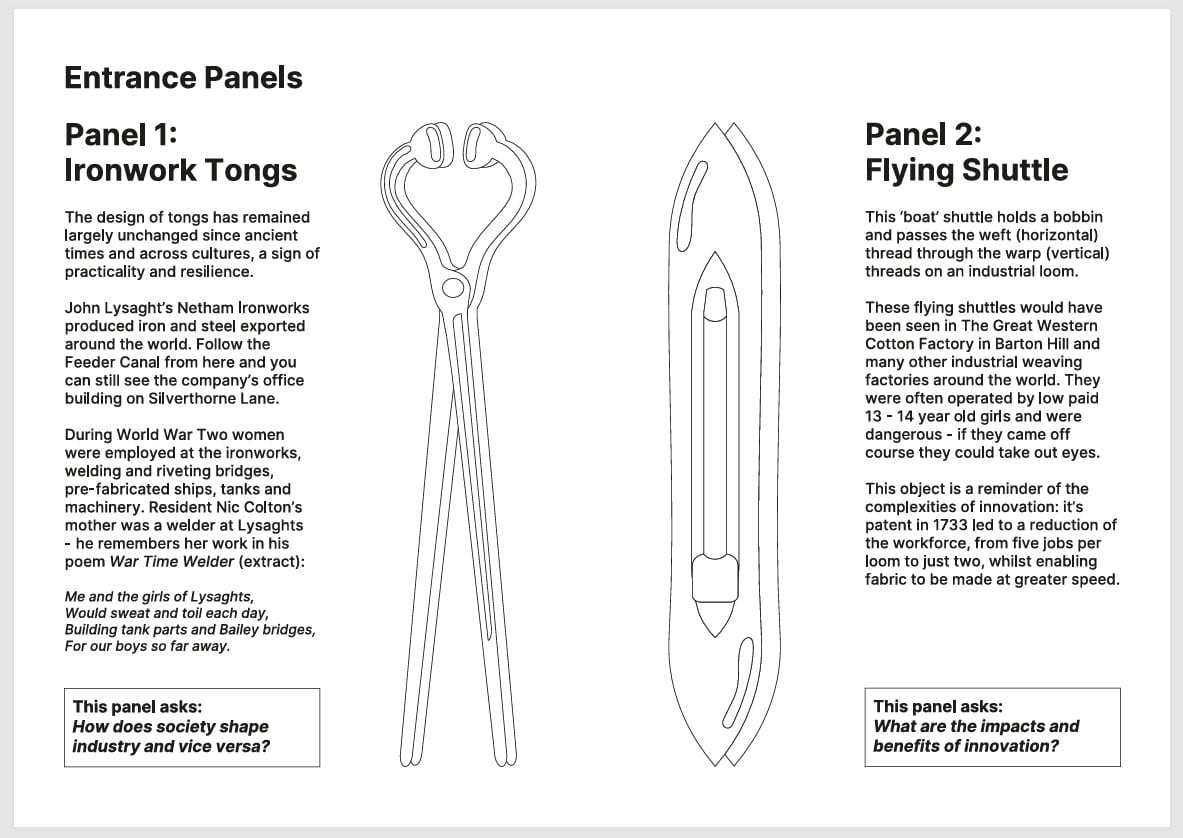
The artwork traces the role of women in shaping industrial history, from Barton Hill to the wider world. Four large-scale yet familiar objects represent weavers, welders, seamstresses, and the domestic labour of unnamed women. Geometric repeat patterns evoke the rhythms and cycles of industry, reminding us of the threads across generations which connect us to place.
Description
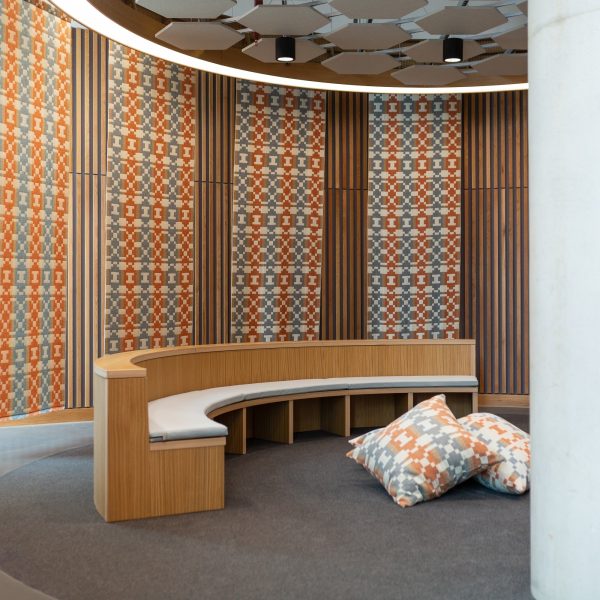
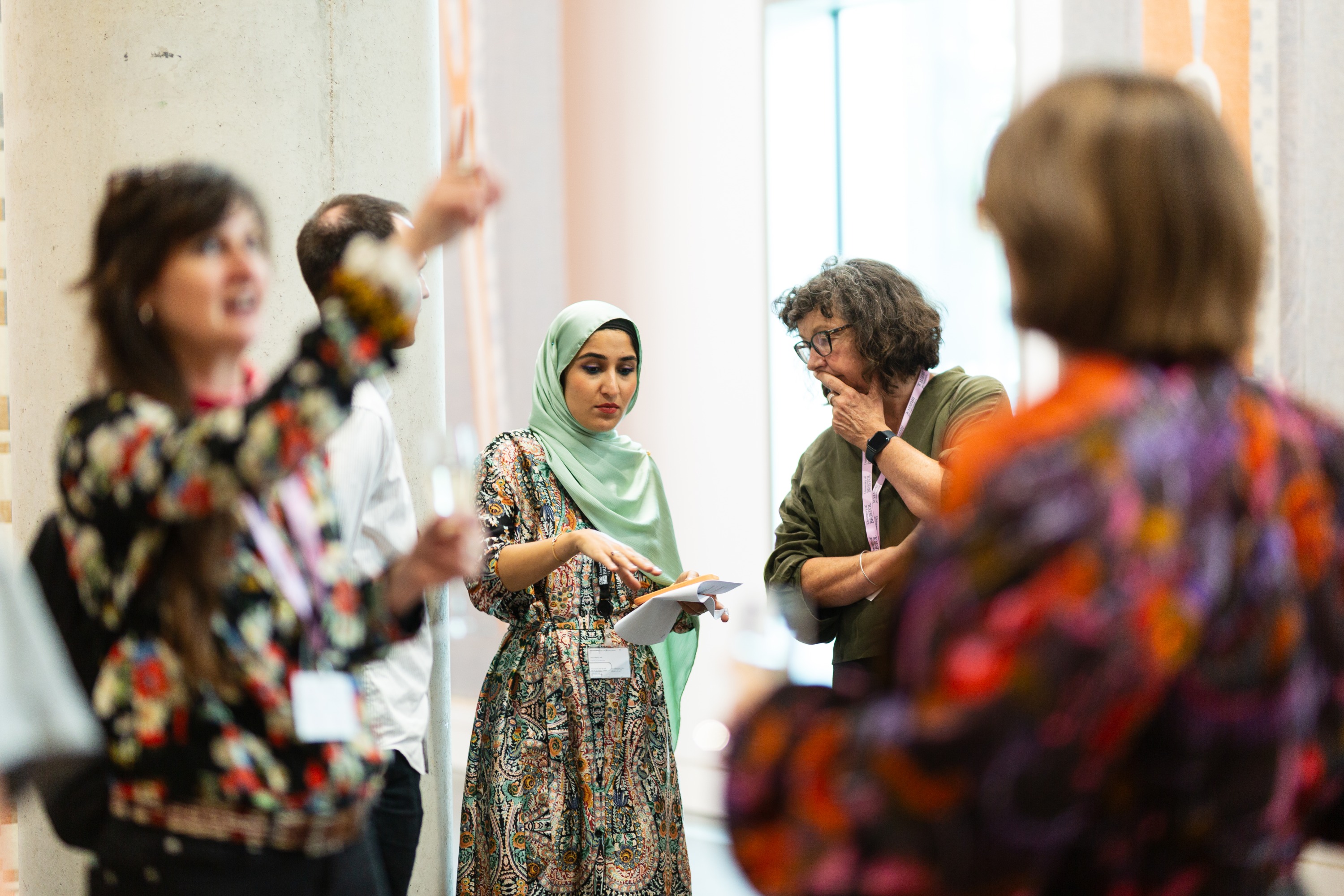
The monument becomes the negative space within the circle of soft, wool panels which hold invisible conversations, ideas and reflections, honouring those whose unseen contributions have supported people in this space to gather, connect and innovate.
Soft Monument is made of British wool and mild steel. It was fabricated by local women-led businesses: woven by Dash & Miller and the Bristol Weaving Mill; metalwork by Dizzi Lombardo and Lottie Smith and pieced together by Jokoto Tailoring.
The artwork was informed by Charting Change, a two-year programme of public events, exhibitions and temporary artworks led by Ellie Shipman with artists Jack Stiling and Dhaqan Collective, and facilitated with community partners Ayeeyo and Awoowo and Barton Hill History Group.
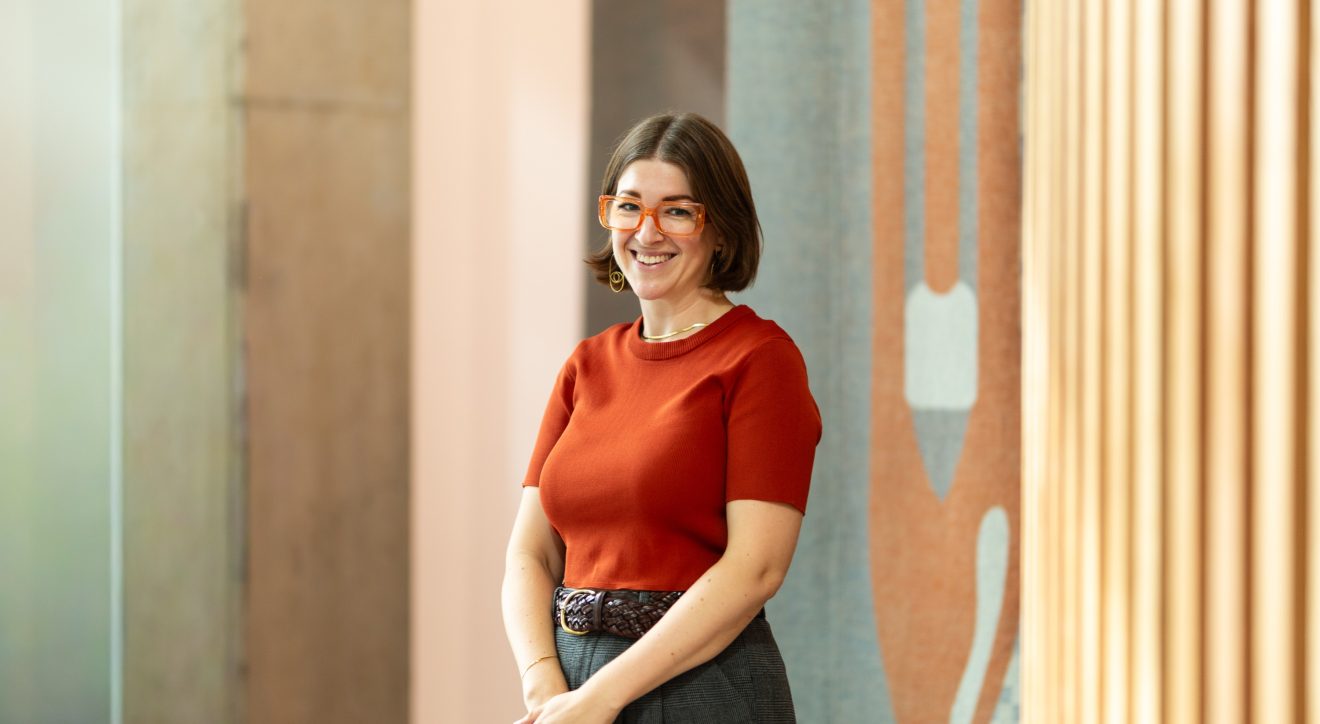
Ellie Shipman (b. 1989) is an artist based in Bristol. Ellie studied BA Fine Art at Chelsea College of Art, UAL, and MSc Sustainable Development at UWE. Ellie is interested in womanhood; community; sustainability; industry and history – exploring what it means to be human through multimedia artworks using textiles, collage and installation. Pieces are often site specific, participatory or interactive – including people in research, process and product. Ellie works with researchers to translate academic ideas into public art and graphic design; hospitals to design spaces and objects for better care; and museums to create interactive artworks which tell a story.
The public art programme for the Temple Quarter Enterprise Campus was developed to embed creativity into the new campus, using artist-led commissions to encourage creative exchange and connection between the University and the wider city. The artworks are designed to spark curiosity, inspire imagination and create a welcoming place for all.
The programme was delivered through a partnership between University of Bristol and the Contemporary Art Society *Consultancy and secured through Bristol’s Public Art Policy as part of the Art and the Public Realm programme.